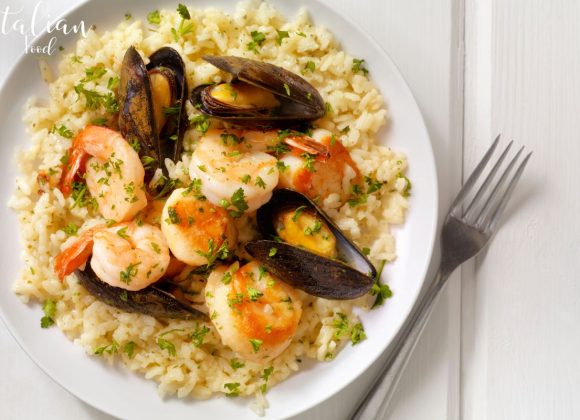
Cleaning mussels properly is essential for any seafood dish. Fresh mussels need to be cleaned thoroughly to ensure they are safe and delicious to eat. Follow this step-by-step guide to learn the best way to clean mussels and prepare them for cooking.
Inspiring Quote
“Good food is very often, even most often, simple food.” – Anthony Bourdain
Description
Cleaning mussels might seem daunting, but it is a straightforward process that ensures your seafood is safe and tasty. Mussels, a popular ingredient in many coastal cuisines, need to be cleaned to remove any sand, barnacles, or seaweed. This process is crucial because it ensures that the mussels open up properly during cooking, making them more enjoyable to eat. Mussels have been enjoyed for centuries and are often associated with Mediterranean and coastal European dishes.
Tools Needed
- Large bowl
- Colander
- Stiff brush or scrubber
- Paring knife
If you don’t have a stiff brush, a clean, unused toothbrush can also work effectively for scrubbing the mussels.
Procedure
- Inspect the Mussels:
- Discard any mussels that are cracked or open. Fresh mussels should be closed; if they are slightly open, tap them gently. If they close, they are still alive and safe to use.
- Soak the Mussels:
- Fill a large bowl with cold water and add the mussels. Allow them to soak for about 20 minutes to expel any sand or grit.
- Scrub the Mussels:
- Using a stiff brush or scrubber, scrub each mussel under running water to remove any barnacles or debris on the shell.
- Remove the Beard:
- The beard is the fibrous thread sticking out of the shell. To remove it, hold the mussel with one hand and pull the beard towards the hinge of the shell with the other hand. A paring knife can help if the beard is stubborn.
- Rinse and Drain:
- After scrubbing and debearding, rinse the mussels again under cold running water. Place them in a colander to drain.
Conclusion
With your mussels now clean and ready to cook, you can proceed to prepare a variety of delicious seafood dishes. Clean mussels ensure a pleasant eating experience and elevate the quality of your meals.
Additional Notes
- Always use fresh, live mussels for the best results.
- Clean the mussels just before cooking to maintain their freshness.
Tips and Tricks
- If a mussel is slightly open, tap it gently. If it closes, it is safe to use.
- Avoid soaking mussels in water for too long as they can die.
Region of Origin
Mussels are commonly associated with Mediterranean and coastal European cuisines, particularly from Italy, France, and Spain.
Beverage Pairings
- Wine: A crisp white wine such as Sauvignon Blanc or a light Pinot Grigio pairs well with mussels.
- Beer: A light lager or a Belgian ale complements the delicate flavor of the mussels.
- Non-alcoholic: Sparkling water with a slice of lemon or a cold iced tea.