

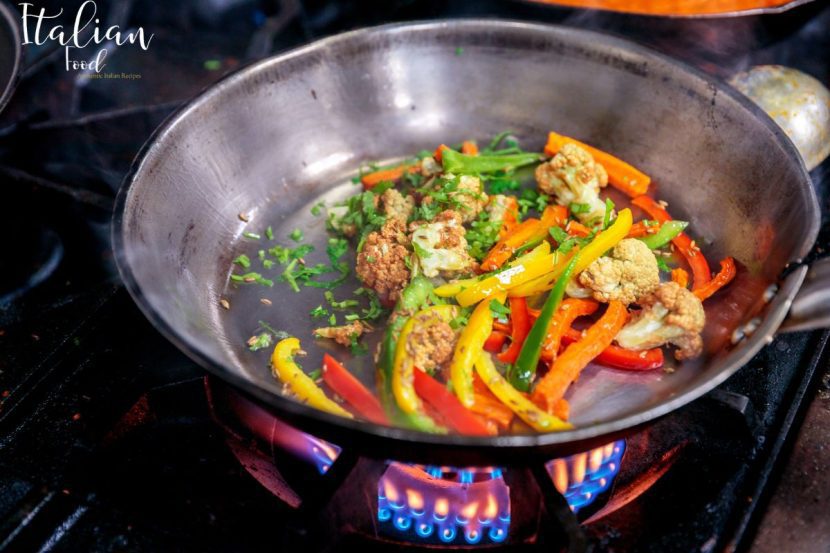
Sautéing is a versatile and essential cooking technique that every home cook should master. This method allows you to cook vegetables, meats, and other ingredients quickly over high heat, resulting in deliciously flavorful dishes. In this guide, we will walk you through the step-by-step process of sautéing, discuss the best pans for sautéing, and share some tips and tricks to perfect your technique.
Inspirational Quote
“Cooking is an art, but all art requires knowing something about the techniques and materials.” – Nathan Myhrvold
Description
Sautéing, derived from the French word “sauter,” which means “to jump,” involves cooking food quickly in a small amount of fat over high heat. This technique is widely used in many cuisines and is known for preserving the flavor, color, and texture of the ingredients. Historically, sautéing has been a cornerstone of French cuisine, but its principles are now fundamental in kitchens worldwide.
Tools Needed
- Sauté Pan: A wide, flat-bottomed pan with straight sides is ideal for sautéing.
- Spatula or Tongs: For flipping and stirring the ingredients.
- Stove: Gas or electric stove that allows for precise heat control.
Alternatives
If you don’t have a sauté pan, a large frying pan or skillet can also be used. Ensure it has a flat bottom and is made of a material that conducts heat well, like stainless steel or cast iron.
Step-by-Step Procedure
- Prepare Your Ingredients: Wash, peel, and cut your vegetables or meat into uniform pieces to ensure even cooking.
- Heat the Pan: Place your sauté pan on the stove and heat it over medium-high heat until it’s hot.
- Add Fat: Add a small amount of oil or butter to the pan. Swirl to coat the bottom.
- Add Ingredients: Add your ingredients in a single layer. Avoid overcrowding the pan to ensure proper sautéing.
- Stir or Flip: Use a spatula or tongs to stir or flip the ingredients frequently. This prevents sticking and ensures even cooking.
- Monitor Heat: Adjust the heat as necessary to prevent burning. Ingredients should cook quickly but not burn.
- Cook Until Done: Continue sautéing until the ingredients are cooked to your desired level of doneness.
Conclusion
Sautéing is a simple yet powerful technique that can elevate your cooking. By mastering the steps outlined in this guide, you can sauté vegetables, meats, and more with confidence and achieve delicious results every time. Remember, practice makes perfect, so keep experimenting with different ingredients and flavors.
Additional Notes
- Use Fresh Ingredients: Fresh vegetables and meats sauté better and retain more flavor.
- Preheat Your Pan: Always preheat your pan before adding oil or ingredients to ensure even cooking.
Tips and Tricks
- Don’t Overcrowd the Pan: Overcrowding leads to steaming rather than sautéing.
- Control the Heat: If the pan gets too hot, lower the heat slightly to avoid burning.
- Use a Light Hand with Seasoning: Add herbs and spices gradually to avoid overpowering the natural flavors of your ingredients.


